


 Home /
 Rechargeable Battery for IoT Sensors | Solutions for Smart Devices


Table of Contents
-
Rechargeable Battery for IoT Sensors: Future of Smart Connectivity
- Importance of Battery Performance in IoT Sensor Networks
-
The Important Technologies in Modern IoT Batteries
- Lithium-Ion Battery
- Lithium Polymer Battery
- LiFePO4 Battery
- Increasing Need for Long-Life Rechargeable Battery Solutions
- Intelligent Battery Management and its Role in Enhancing Performance
- Round LiPo Batteries: A Perfect Fit in Small IoT Devices
- Round LiPo Batteries Offer a Space-Saving and Efficient Solution
- Choosing the Suitable Rechargeable Battery to Use with IoT Sensors
- IoT Applications That Can Make Use of Rechargeable Batteries
- Conclusion
Rechargeable Battery for IoT Sensors: Future of Smart Connectivity
The Internet of Things is changing the way devices interact, observe, and automate the world we live in. Smart agriculture sensors, environmental monitoring sensors, wearable IoT devices, and factory automation sensors are all based on reliable energy, which is the basis of any successful implementation. Selecting the appropriate Rechargeable Battery for IoT Sensors can greatly enhance performance, minimize maintenance expenses, and prolong the life of the devices.
With the ever-increasing IoT networks, companies require a rechargeable battery that is energy-efficient, provides stable power, has a long cycle life, and can operate reliably in harsh conditions. Battery selection is important to the overall system reliability, whether you are creating smart home sensors, asset tracking systems, or Industrial Internet of Things (IoT) applications.
Importance of Battery Performance in IoT Sensor Networks
The majority of IoT gadgets that run on batteries are in remote or inaccessible areas. Regular changing of batteries adds to the cost of operation and may interfere with data collection.
A good quality IoT sensor rechargeable battery offers:
• Longer operating life
• Reduced maintenance requirements
• Stable voltage output
• Better charging efficiency
• Improved data reliability
• Reduced total ownership costs.
The current wireless sensor networks are based on a reliable wireless sensor power supply to ensure continuous communication among the devices in the network. This is particularly crucial with the predictive maintenance sensors, smart metering devices, and remote sensing devices that are available around the clock.
The Important Technologies in Modern IoT Batteries
Recent developments in the IoT battery technology have significantly enhanced performance. Manufacturers are currently working on high energy density and low battery size and weight. The following are some of the most common battery chemistries:
Lithium-Ion Battery
A lithium-ion battery has a high energy density, a low self-discharge rate, and a high charging efficiency. Such batteries find extensive application in industrial sensor batteries, smart city infrastructure, and logistics monitoring sensors.
Key advantages include:
• Energy density of 150250 Wh/kg.
• Normal cycle life 500-1,500 cycles.
• Low maintenance requirements
• Fast charging capability
Lithium Polymer Battery
A lithium polymer battery is more flexible in design since it can be produced in customized shapes and ultra-thin designs. This is suitable for embedded sensor battery applications and wearable devices.
Gloflux states that custom lithium polymer batteries are designed to accommodate compact designs, consistent output, and flexible configurations for various electronic applications. They have high energy density and low self-discharge properties in their solutions, which apply to smart devices and industrial equipment.
LiFePO4 Battery
LiFePO4 battery is characterized by a high level of safety, long life, and thermal stability. It is usually applied in industrial monitoring systems and harsh outdoor conditions. Typical characteristics include:
• 2,000–5,000 cycle life
• Excellent temperature resistance
• Improved battery safety measures.
• Stable discharge rate
Increasing Need for Long-Life Rechargeable Battery Solutions
The need to have a long-life rechargeable battery for sensors is ever-growing as IoT devices get smarter.
Applications include:
• Smart agriculture sensors
• Environmental monitoring sensors
• Building automation sensors
• Condition monitoring systems
• Healthcare monitoring devices
• Asset tracking systems
• Smart city infrastructure
A rechargeable power source of the IoT sensors in such environments should be able to sustain years of efficient operation, and at the same time be efficient in energy consumption.
Intelligent Battery Management and its Role in Enhancing Performance
Cell chemistry is no longer the sole determinant of battery performance. New systems are more dependent on smart battery control and high-tech monitoring systems. A powerful battery management system (BMS) assists:
• Monitor battery voltage
• Prevent overcharging
• Prevent over-discharging
• Track battery temperature
• Improve charging efficiency
• Enhance battery safety protection
Studies have continually demonstrated that battery management systems are significant in maximizing battery reliability and state-of-charge accuracy.
Gloflux is a company that incorporates smart monitoring and protection systems in most of the battery solutions and assists in enhancing safety and operational consistency in industrial and medical applications.
Round LiPo Batteries: A Perfect Fit in Small IoT Devices
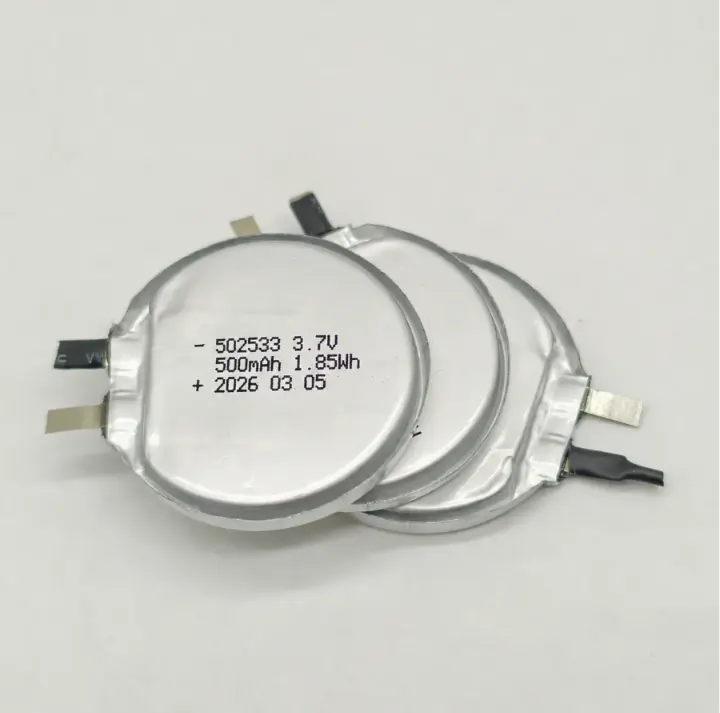
The use of round lithium polymer batteries is one of the most exciting trends in rechargeable energy storage. For compact devices such as:
• Bluetooth sensors
• Smart watches
• GPS sensors
• Health monitoring devices
• Wearable IoT devices
Round LiPo Batteries Offer a Space-Saving and Efficient Solution
- Their small size enables engineers to optimize battery capacity and still have smooth product designs. These batteries may be incorporated into circular or curved appliances where traditional rectangular batteries cannot be used.
- Should you need a specialized compact battery solution for your project, Gloflux provides specialized lithium battery technologies and custom battery development services via their home page at Gloflux and lithium battery product portfolio at Lithium Battery Solutions. Gloflux also designs custom-shaped lithium polymer batteries to fit into small electronics and wearable technologies.
Choosing the Suitable Rechargeable Battery to Use with IoT Sensors
In determining the most effective rechargeable battery to use in IoT sensors, engineers need to take into account several technical parameters.
Battery Capacity (mAh)
The amount of energy that can be stored depends on the battery capacity.
Examples include:
• 600mAh in the case of small sensors.
• 1200mAh for high-tech monitoring devices.
• 3000mAh+ to industrial systems.
The increased battery capacity usually equates to increased runtime.
Life Cycle of Battery
Cycle life refers to the number of charge-discharge cycles that a battery can undergo before its capacity is significantly diminished. A sensor battery that has a high capacity of 1,000+ cycles can greatly reduce replacement costs in the long run.
Self-Discharge Rate
The low self-discharge rate is a prerequisite for remote monitoring batteries since the devices can be idle for a long time.
IoT Applications That Can Make Use of Rechargeable Batteries
The rechargeable battery pack is versatile and can be used in many industries due to its applications in the IoT.
Industrial IoT
An industrial IoT sensor battery has a rechargeable battery that supports:
• Factory automation sensors
• Connected industrial equipment
• Predictive maintenance sensors
• Condition monitoring systems
Environmental Monitoring
Environmental sensors use a rechargeable battery to power:
• Air quality sensors
• Water monitoring stations
• Weather monitoring devices
Conclusion
In search of a trustworthy battery to be used with connected sensors, smart devices, or industry? Gloflux provides bespoke lithium-ion batteries, rechargeable lithium polymer batteries, smart battery packs, and customized energy solutions to fit modern IoT settings. Discover new battery technology and talk to the specialists at Gloflux about your project's needs to create safer, smarter, and more durable IoT products.
Talk to the Manufacturer
Resources & Insights
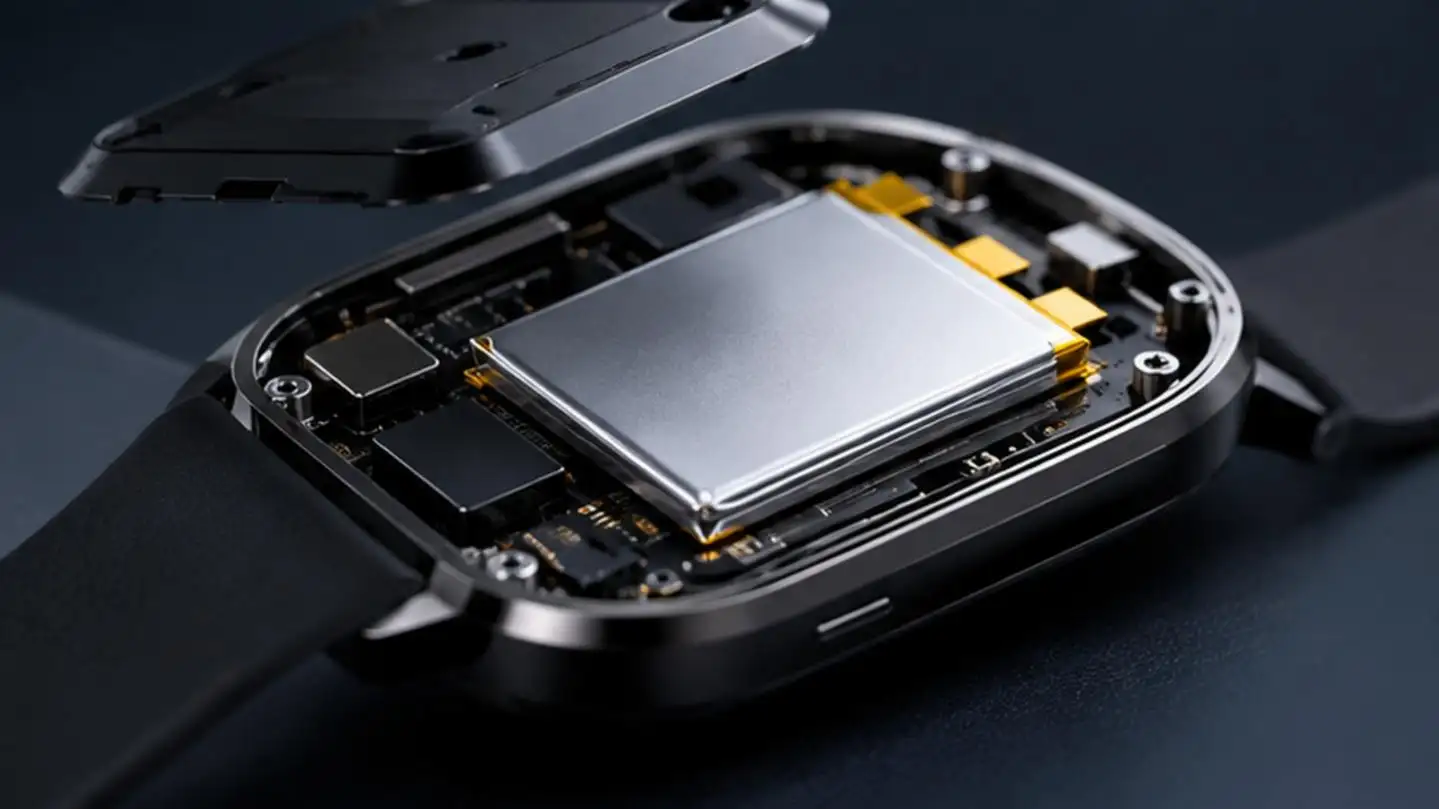
High Capacity Lithium Battery for Wearables: High-Voltage LiPo Cell Design
2026-10-19
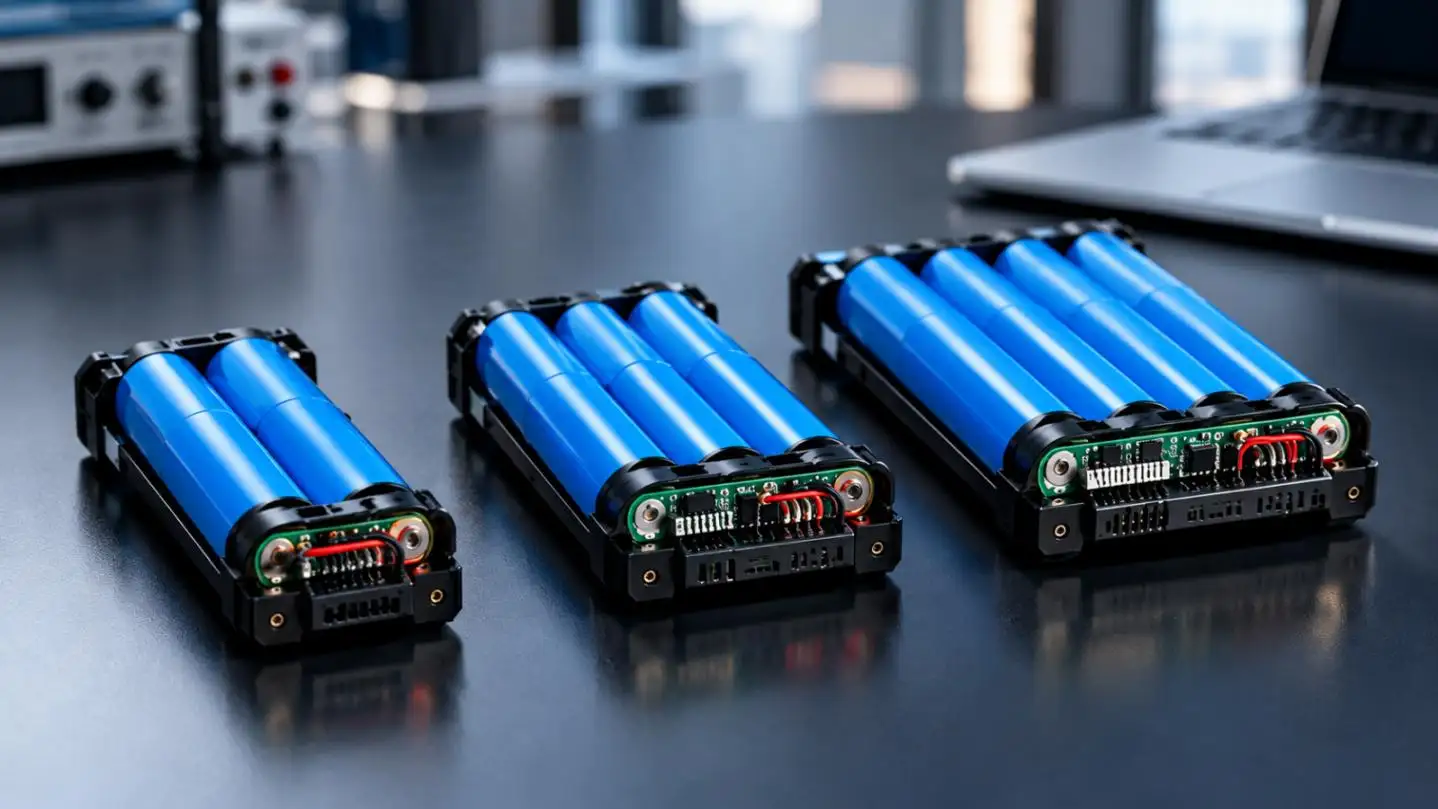
Cylindrical Battery Packs for Laptops: 2S vs 3S vs 4S Battery Design
2026-10-19
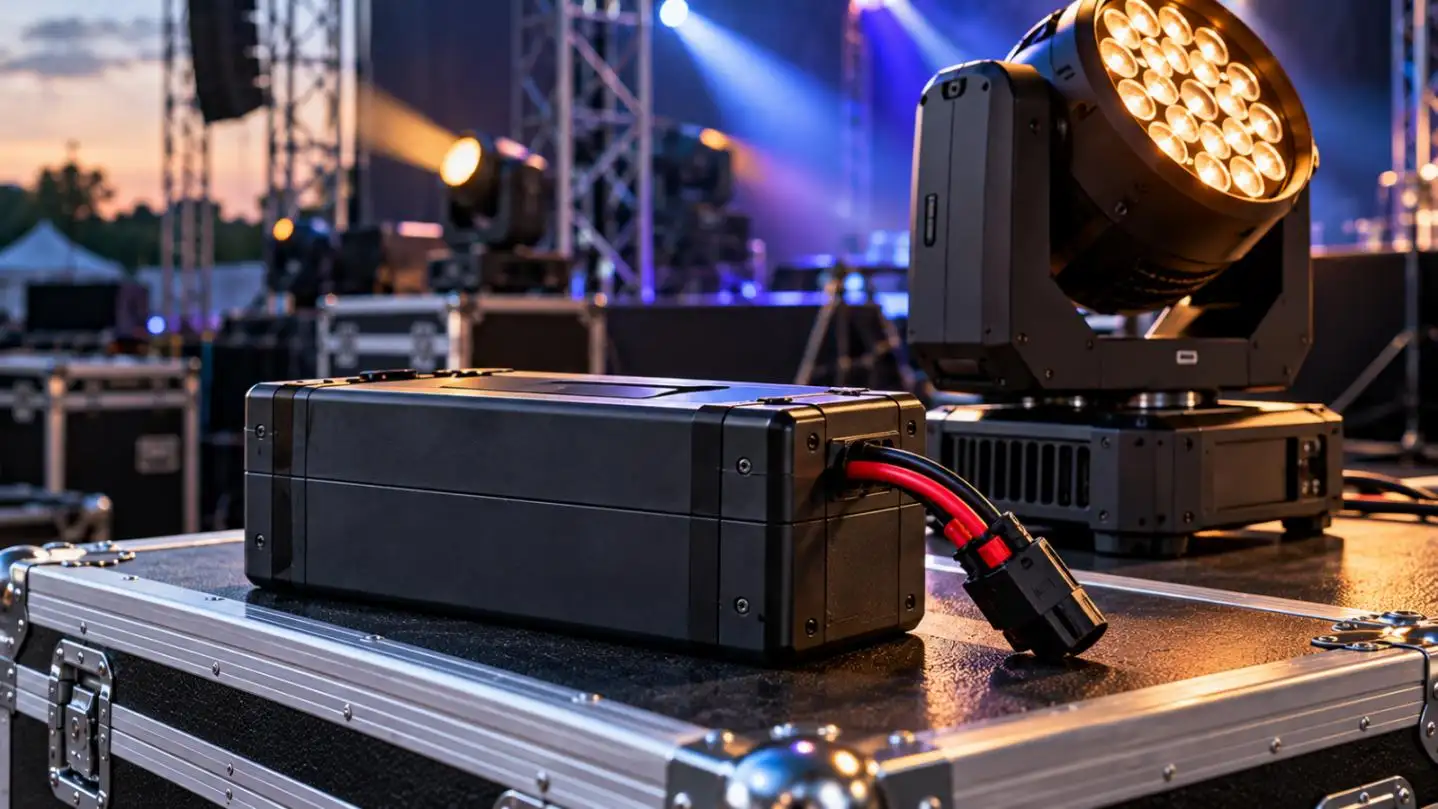
Stage Lighting Battery Pack: Prevent Voltage Drop & LED Flicker
2026-10-19
Best Rechargeable Batteries for Smart Devices: Performance, Safety, and Selection Guide
2026-10-19


