


 Home /
 Low Power Device LiPo Battery Guide for IoT & Wireless Electronics


Table of Contents
Low Power Device LiPo Battery: Solution for Modern Electronics
With the shrinking and increasing smartness and connectivity of electronic devices, battery technology must keep up. IoT sensors and Bluetooth devices, smart wearables, and remote monitoring systems all require a stable power source that can provide them with long operating time without adding extra weight or size.
It is here that the Low Power Device LiPo Battery comes in. These batteries are designed to be compact electronics with high energy density, lightweight construction, and high charging efficiency in a small package. Whether you require a battery in wireless devices, smart home devices, or industrial sensors, the lithium polymer technology provides the performance that contemporary applications require.
The Need for Low-Power Devices to Have Advanced Battery Technology
The current interconnected devices are supposed to last longer and use a small amount of power. IoT sensor networks, asset tracking systems, smart meters, and environmental monitoring devices are applications that are typically continuously running and have minimal access to charging infrastructure.
A LiPo battery for low-power devices has several benefits:
• Small and lightweight design.
• Constant voltage output during operation.
• Poor self-discharge battery performance.
• Good battery cycle life.
• Space-constrained products with flexible form factors.
• High charging efficiency
• Efficient rechargeable energy storage.
A low-power lithium polymer battery is more compact than traditional battery chemistries, and thus it is best suited to modern electronics.
Knowledge of Lithium Polymer Battery Technology
Lithium Polymer Battery technology employs a polymer electrolyte rather than a liquid electrolyte that is used in the traditional lithium-ion cells. This architecture allows manufacturers to design extremely thin, flexible, and lightweight battery solutions without compromising on the performance characteristics.
One of the most important technical advantages is battery energy density. LiPo cells of modern times can hold a large amount of energy when compared to their size and weight, which means that designers can create smaller devices without compromising on the amount of time they can run.
Important technical specifications can be:
• Nominal voltage: 3.7V or 3.85V
• Battery capacity (mAh): 30mAh to 10,000mAh+
• Operating temperature of battery: usually -20 C to 60 C.
• Cycle life: 500 to 1,000+ charging cycles
• Low leakage current battery design
• High energy density battery structure.
Custom battery configurations are now available in many sophisticated battery manufacturers to suit the unique needs of wearable electronics, medical equipment, and industrial use.
Increasing IoT Devices LiPo Battery Usage
The fast growth of the Internet of Things has generated a high need for effective energy storage solutions.
IoT devices with a LiPo battery are typically utilized in:
• Smart agriculture devices
• Edge device battery.
• Battery for smart home devices
• GPS tracker battery.
• Battery for asset tracking devices
These communication standards can enable a long operating lifespan and minimise maintenance needs when combined with a low-power IoT battery. Battery efficiency is a direct influence on the cost of operation and reliability of devices in businesses with hundreds or thousands of sensors.
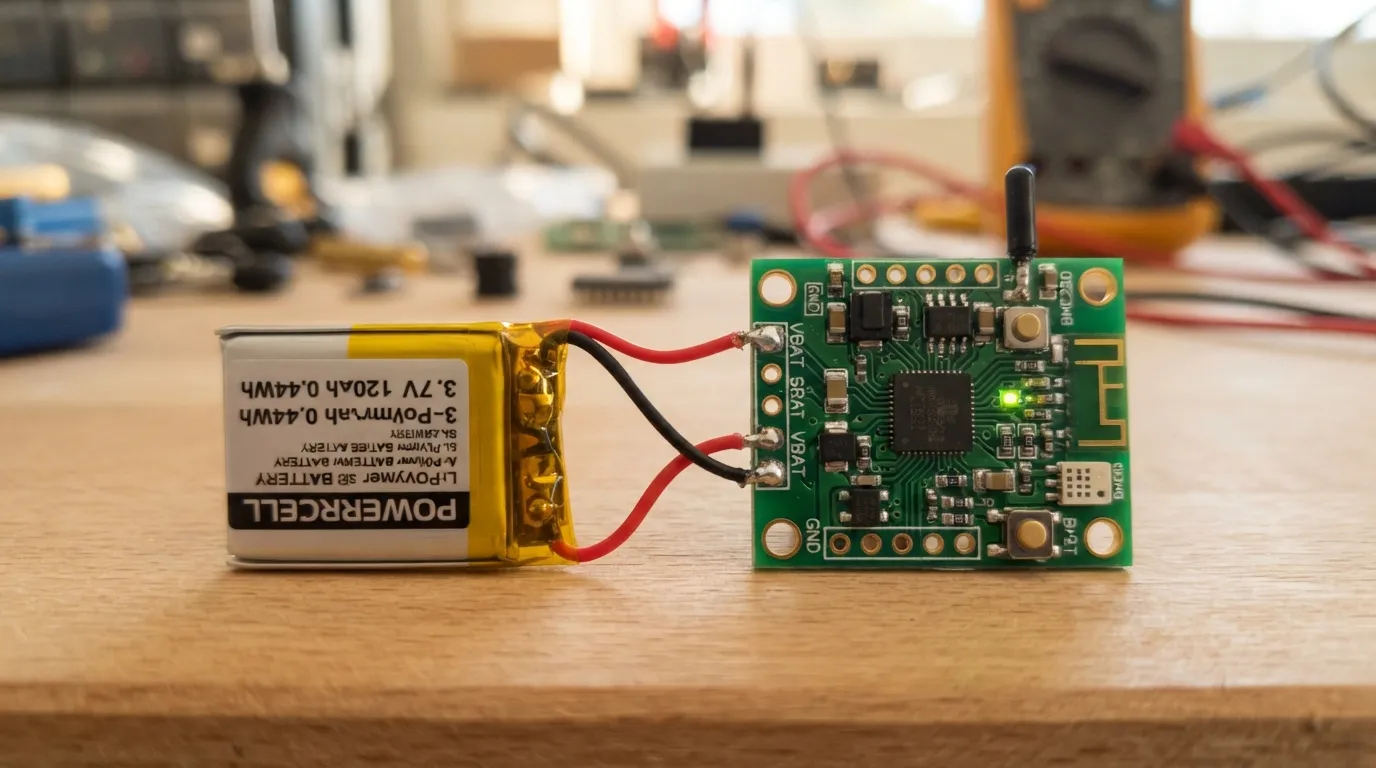
Safety Features for New Devices
One of the most crucial factors in choosing a rechargeable source of power to use in electronics is safety.
A good rechargeable LiPo battery must consist of:
• Overcharge protection
• Deep discharge protection
• Short-circuit protection
• Overcurrent protection
• Temperature monitoring
• Safety circuit integration of batteries.
A Battery Management System (BMS) is also a common feature of many sophisticated battery systems. The BMS constantly checks the voltage, current, and temperature to maintain safe operation and optimize battery life. These smart systems find their application especially in medical equipment, industrial equipment, and mission-critical monitoring.
Industries That Use Low-Power LiPo Batteries
Lithium polymer batteries are versatile, which is why they can serve numerous industries.
Consumer Electronics
A consumer electronic battery should be lightweight and be able to deliver consistent performance. LiPo technology is useful in smartphones, Bluetooth speakers, wireless earbuds, and portable accessories.
Smart Wearables
A wearable electronic battery should have a slim profile, be lightweight, and have a long battery life. Fitness bands, health monitoring patches, and smart watches are dependent on small lithium polymer batteries.
Industrial Monitoring
Telemetry systems, environmental monitoring systems, and industrial sensors are just a few applications that may need a long-life LiPo battery that can be used in harsh conditions.
Gloflux is Used to Support Advanced Battery Applications
In Gloflux, battery development is aimed at providing dependable, customized power systems to current electronic products. The company provides lithium-ion and lithium polymer batteries that are designed with compact designs, stable operations, and long service life. Their production capacities allow them to produce custom battery sizes, capacities, and protection systems to suit a broad range of applications.
Selecting the Best LiPo Battery to Use in Low-Power Devices
When choosing the most appropriate LiPo battery to use in low-power devices, it is important to consider the following factors:
• Battery capacity (mAh) required.
• Nominal voltage requirements
• Temperature range of operation of devices.
• Projected battery life cycle.
• Discharge rate requirements
• Available installation space
• Charging frequency
• Safety certification requirements
In the case of connected devices with low-power networks, an energy-efficient lithium polymer battery can significantly enhance the efficiency of operation and lower the maintenance expenses.
The Future of Low-Power Energy Storage
The innovation in batteries is still heading towards smarter, lighter, and more efficient. The new trends are AI-controlled battery monitoring, more advanced energy harvesting integration, flexible battery designs, and quicker charging.
With the growing interconnectedness of smart devices, the ultra-low power battery solution will be in demand. Manufacturers are already working on batteries with increased energy density, better cycle life, and more power management solutions to accommodate next-generation electronics.
Conclusion
The future lies in the devices that last longer and use less energy. A high-performance Low Power Device LiPo Battery can make that possible, with its lightweight design, reliable safety, long cycle life, and unprecedented efficiency in a small package.
Learn about Gloflux innovative lithium polymer battery technologies and find out how tailored power technology will enable your next idea to operate longer, work harder, and be recognized in a competitive world.
Talk to the Manufacturer
Resources & Insights
High Capacity Lithium Battery for Wearables: High-Voltage LiPo Cell Design
2026-10-19
Cylindrical Battery Packs for Laptops: 2S vs 3S vs 4S Battery Design
2026-10-19
Stage Lighting Battery Pack: Prevent Voltage Drop & LED Flicker
2026-10-19
Best Rechargeable Batteries for Smart Devices: Performance, Safety, and Selection Guide
2026-10-19


