


 Home /
 Portable Medical Device Battery: A Complete Guide to Li-ion vs. Li-Po vs. NiMH


Table of Contents
- Introduction: Why Medical Device Battery Chemistry Matters
- Lithium-Ion (Li-Ion) -The High-Density Workhorse
- Lithium Polymer (Li-Po) -Thin and Flexible
- NiMH -The Legacy Option Still in Use
- Critical Safety & Performance Requirements for Any Medical Battery
- Gloflux – Medical Reliability Engineered
- Technical Capabilities
- Why Choose Gloflux for Your Portable Medical Device Battery
Introduction: Why Medical Device Battery Chemistry Matters
A Portable Medical Device Battery is not the same as a smartphone battery. A power failure in healthcare can suspend operations of various critical systems such as patient monitoring systems, insulin delivery systems, or emergency ventilators. Knowledge of battery chemistry helps manufacturers and clinicians determine the safest and most reliable energy sources.
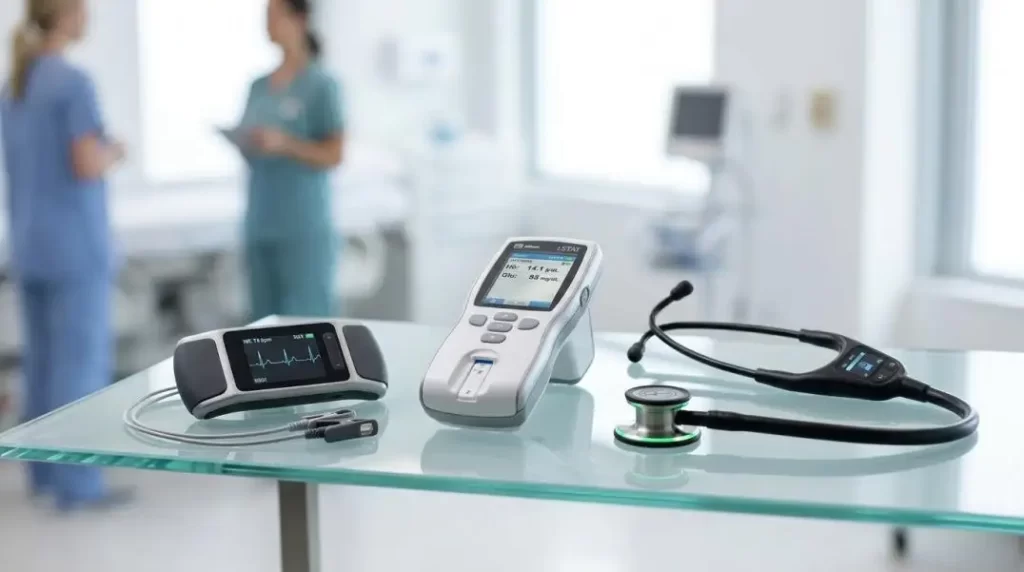
Portable medical devices utilize many different kinds of batteries. All three types of batteries: Lithium-Ion, Lithium-Polymer and Nickel-Metal Hydride-have some trade-offs and safety issues.
Lithium-Ion (Li-Ion) -The High-Density Workhorse
What is Li-Ion?
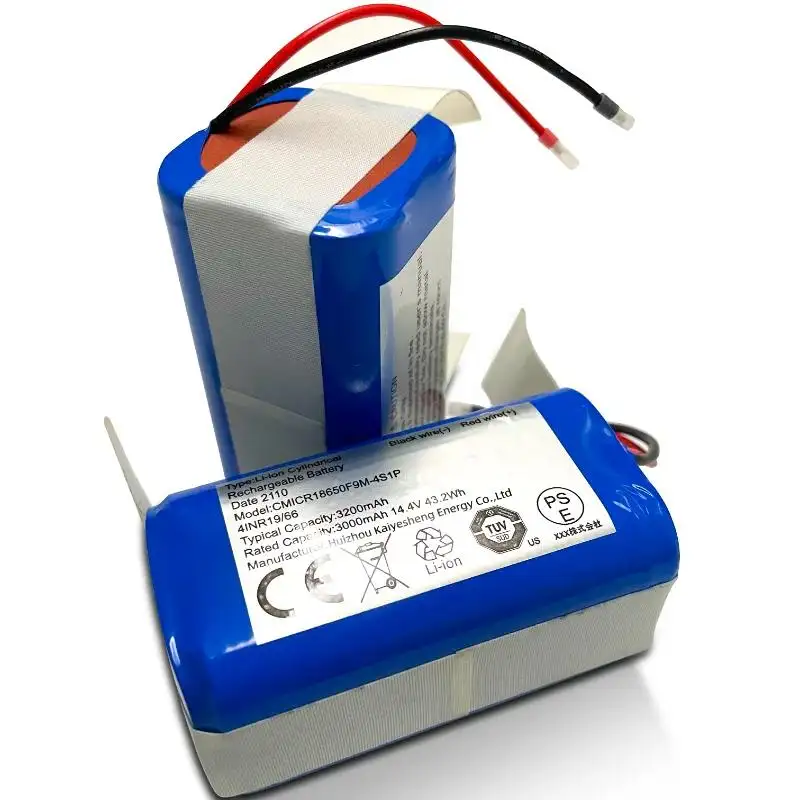
These batteries have a metal oxide anode and a liquid electrolyte. Lithium-ion batteries are the most energy dense rechargeable battery, and thus are the most common rechargeable battery in medical applications.
Key characteristics for medical use:
•Li-ion batteries have the highest energy density of all the rechargeable batteries. This gives the ability to create smaller, lighter, portable medical devices (ex: portable patient monitors) with longer run times.
•Li-ion batteries have a moderate cycle life. They generally have a cycle life of 500 to 1000 charge cycles.
•Li-ion batteries have to have protection circuits to protect against overcharging and over-discharging. These are standard for all medical grade battery packs.
•Because of mature manufacturing, the costs of Li-ion batteries are low for medical devices that are manufactured at high volume, such as infusion pumps.
•Li-ion batteries have very low self-discharge rates (1-2% per month, which is perfectly acceptable for equipment that will be used on a daily basis).
•Li-ion batteries are used in medical devices such as defibrillators, portable ventilators, medical carts, and continuous glucose monitors.
Lithium Polymer (Li-Po) -Thin and Flexible
What are Li-Po Batteries?
Standard lithium batteries consist of lithium salts and a liquid electrolyte housed in a casing. Lithium Polymer batteries are slightly different and consist of solid (or gel) electrolytes in a polymer matrix. Thus, Lithium Polymer batteries can be produced in a thin and flexible format.
Key Characteristics in the Medical Space:
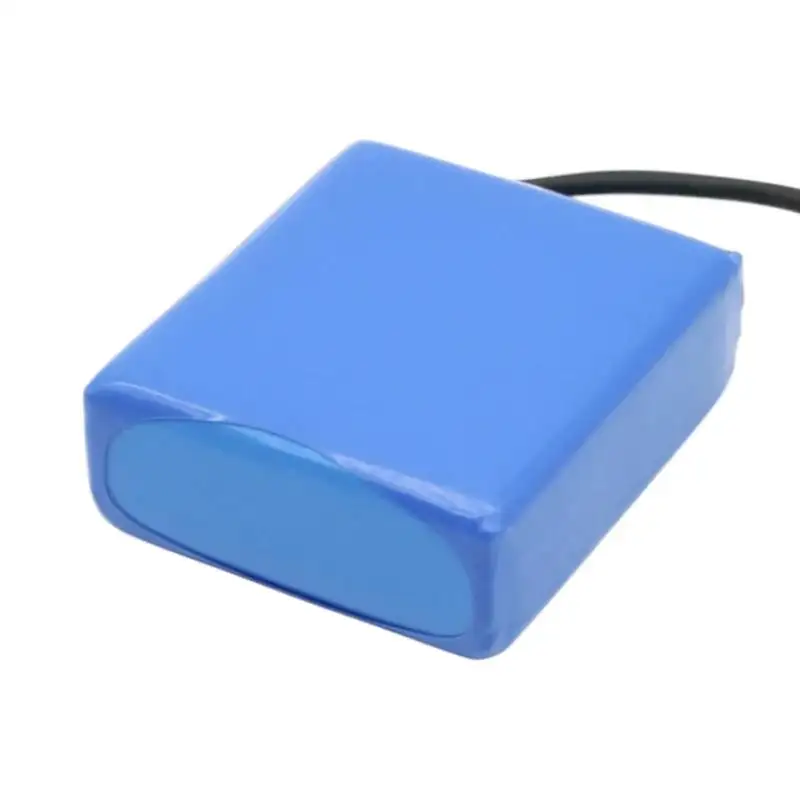
•Lithium polymer batteries can be constructed to a thickness of less than 1 mm. This means they can be used in wearable ECG patches and smart thermometers.
•Flexible in Shape: Can be custom made in pouches to fit irregular cavities.
•Lower Leakage Risk: use of gel electrolytes means lower fire and leakage concern compared to Li-ion.
•Slightly Lower Energy Density: 10-15% lower than Li-ion at the same volume.
Medical Applications:
•Worn in hearing aids, wrist worn vital sign monitors, and used in disposable single use diagnostic tools.
NiMH -The Legacy Option Still in Use
What is NiMH?
Even though NiMH is seen as an older technology, it's still used in many medical devices due to general compatibility.
Key Characteristics for Medical Use:
•Very Robust and Tolerant: Handles overcharge and deep discharge better than lithium chemistries.
•Lower Energy Density: Larger and heavier than equivalent Li-ion which are not suited for modern designs.
•Memory Effect (Minor): To maintain actual capacity a full discharge may be required.
•Higher Self-Discharge: In one month, compared to low self-discharge (LSD) variants, a capacity loss of 15-20% is expected.
Medical Applications:
•Found in less modern infusion pumps, some older patient lifters, and as temporary batteries in rehab (where the battery size is not much of a problem).
When to Use NiMH in 2026:
•For a certified device that is currently in functioning use, and only for maintenance purposes. Lithium chemistries are almost always better for new portable medical devices.
Critical Safety & Performance Requirements for Any Medical Battery
Medical devices lithium ion battery (or any chemistry) must meet certain requirements and regardless of which you choose, the following are non-negotiable:
•High Safety Standards: Advanced battery protection systems are needed to prevent failures and to ensure patient safety they must include overcharge, over-discharge, overcurrent, and short-circuit protection.
•Long Cycle Life & Stability: Medical equipment often needs to be used continuously or repeatedly. A battery that has a long cycle life and is stable will lessen the number of maintenance that must be done and ensure the equipment performs its function reliably over time.
•Lightweight and Compact: Energy solutions for portable medical devices must strike a balance best achieved by the size, weight, capacity, and energy runtime.
•Low Self-Discharge Performance: Standby performance is critical in emergency and backup medical equipment. With a low self-discharge rate, the equipment will be ready to perform after long years of inactivity and storage.
•Compliance with Medical Certifications: Lithium batteries in medical equipment need to comply with IEC62133, UL 2054, UN383, and other international safety and transport regulations of bulk products, to ease the launch and approval of the products.
Gloflux – Medical Reliability Engineered
Gloflux lithium batteries provide medical device manufacturers with safe and reliable systems that limit product liability and enhance confidence of medical practitioners.
Gloflux Medical Battery Solutions are focused on medical applications, incorporating the safety and the flexibility of the customization and the long term reliability of the medical clientele.
•Custom Battery Pack Design: We offer total flexibility in the customization of battery packs in terms of dimensions, operating voltage, discharge rate, and other design considerations.
•Integrated Smart BMS Protection: Our battery packs are embedded with BMS that smartly and safely monitor the device in real time.
•Flexible Form Factors: From compact diagnostic devices to large medical carts, battery packs in cylindrical, prismatic and LiPo form factors can meet a wide range of form factors.
•Reliable Quality Control: All battery packs are thoroughly and extensively qualified and tested for safety, capacity, cycle, and vibration.
Technical Capabilities
•Nominal Voltage Range: 3.7V – 48V (can be customized)
•Capacity Range: 500mAh – 50Ah
•Cycling Life: More than 1,000 cycles
•Operating Temperature: From -20°C to 60°C
Protection Functions:
•Overcharge Protection
•Over-discharge Protection
•Short Circuit Protection
•Overcurrent Protection
•Thermal Protection
Why Choose Gloflux for Your Portable Medical Device Battery
Safety Considerations in Design: Safety considerations are in all aspects of our battery cell selection, assembly, and production, and let us serve the most safety concerning medical applications.
•Easier Certifications: Targeting the most inclusive standards, our batteries decrease customer compliance concerns and speed up the customer's certification process.
•Reliable Supply Chain: Established, effective production, and supporting suppliers give a high level of quality assurance and product delivery.
•Reliable Engineering: Our engineering enables collaboration with medical device manufacturers to assist in more effective battery integration to the faster medical device commercialization, and ongoing support.
Conclusion: Chemistry to Meet Clinical Requirements
When selecting a portable medical device battery, tradeoffs among energy density, safety, size, and regulation are paramount.
For high density and high capacity batteries with frequent daily use, like patient monitors and infusion pumps, then Li-ion is preferred.
For very thin, flexible, and even large area batteries, then Li-Po is recommended.
Use NiMH only for legacy equipment or extremely cost-sensitive, non-critical applications.
Final recommendation from Gloflux:
Always select a battery supplier that offers full BMS integration, certification support, and custom mechanical design. A medical device is only as reliable as its battery – do not compromise on safety.
FAQ
Q1: How many cycles does a typical Portable Medical Device Battery last?
High-quality Li-ion or Li-Po batteries achieve 500–1000 cycles (to 80% capacity). Gloflux solutions deliver up to 1000+ cycles under standard operating conditions.
Q2: What standards should we care about when certifying a battery pack?
Medical battery packs should conform to IEC62133 (safety), UL 2054 (household/medical), and UN38.3 (transport). Gloflux designs all packs to be compliant to the above.
Q3: What are the implications of using a non-original battery in a patient monitor?
It is acceptable only if such a battery has medical certification and has a matching BMS along with the same voltage, capacity, and pinout. Gloflux offers fully compatible custom designs.
Q4: Is it possible for Gloflux to design a battery pack for a wearable ECG Patch?
Certainly. Gloflux has ultra-thin Li-Po cells in custom pouches with capacities from 500mAh to 50Ah that are customizable for small, curved medical wearables.
Q5: Do smart BMS really ensure a safe use of patient data?
Yes, they do. A BMS prevents overcharge, over-discharge, short circuits, and thermal runaway—directly reducing fire and sudden power failure risks in patient-critical devices.
Talk to the Manufacturer
Resources & Insights
High Capacity Lithium Battery for Wearables: High-Voltage LiPo Cell Design
2026-10-19
Cylindrical Battery Packs for Laptops: 2S vs 3S vs 4S Battery Design
2026-10-19

Stage Lighting Battery Pack: Prevent Voltage Drop & LED Flicker
2026-10-19
Best Rechargeable Batteries for Smart Devices: Performance, Safety, and Selection Guide
2026-10-19


