


 Home /
 Lithium Ion Battery vs Lead Acid Battery: Environmental and Industry Comparison


Table of Contents
- Lithium Batteries Gradually Replace Lead-Acid Batteries
- Environmental Concerns in Lead-Acid Battery Industry
- Material Safety and Toxicity Comparison
- Carbon Footprint Across Battery Lifecycle
- Energy Efficiency During Operation
- Industry Trend Toward Lithium Technology
- Economic and Environmental Balance
- Environmental Awareness and Responsibility
- Final Conclusion
Lithium Batteries Gradually Replace Lead-Acid Batteries
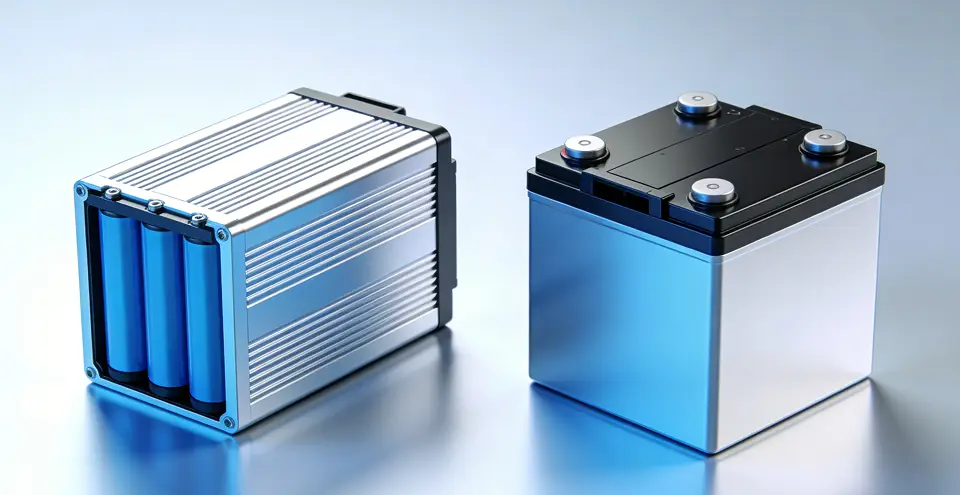
Lithium-ion batteries are replacing lead-acid batteries in many industries. They offer higher energy density, longer lifespan, and better environmental performance.
Companies now apply lithium-ion technology in large energy storage systems. These systems support renewable energy integration and grid stability. The industry sees lithium technology as the future direction of energy storage.
Environmental Concerns in Lead-Acid Battery Industry
Lead-acid battery production has improved in environmental protection. However, many small manufacturers still create pollution issues.
Some factories discharge lead-containing wastewater during coating and cleaning. Others release lead dust during grid casting and alloy processing. These emissions affect the wider electronics industry.
Large-scale standardization remains a challenge in this sector.
Material Safety and Toxicity Comparison
Lithium-ion batteries do not contain toxic lead materials. Lead-acid batteries contain lead, which requires careful handling.
Both battery types support recycling. However, lithium batteries use safer material structures. This reduces environmental risks during disposal.
Recycling lithium batteries still remains more complex in many regions.
Carbon Footprint Across Battery Lifecycle
We must evaluate environmental impact across the full lifecycle.
The carbon footprint includes four key stages:
- Raw material extraction
- Manufacturing and transportation energy use
- Charging and operational energy consumption
- End-of-life recycling or disposal
Each stage contributes to total environmental impact.
Energy Efficiency During Operation
Energy loss during charging plays a major role in total carbon footprint.
Lithium-ion batteries reach about 90% charging efficiency. Lead-acid batteries achieve around 80–85%.
Lead-acid batteries also lose more energy due to higher self-discharge. Lithium batteries perform better in long-term energy retention.

Recycling and Industrial Maturity
Lead-acid batteries achieve very high recycling rates. Some regions recover more than 90% of used batteries, and lead recovery reaches about 99%.
This recycling system is mature and widely established.
Lithium-ion battery recycling remains less developed. Large-scale EV battery recycling still faces technical and economic challenges.
However, lithium batteries last 2–3 times longer than lead-acid batteries. This reduces replacement frequency and overall resource consumption.
Industry Trend Toward Lithium Technology
The industry clearly shifts toward lithium-ion technology.
Lithium batteries offer higher energy density, lighter weight, and longer cycle life. They also reduce long-term maintenance requirements.
As production improves and costs decrease, lithium systems will continue replacing lead-acid systems in most applications.
Economic and Environmental Balance
Lithium batteries may not always show significantly lower lifecycle cost today. However, their long lifespan improves overall cost efficiency.
Lead-acid systems still perform well in low-cost short-term applications. But they struggle in high-performance and long-duration use cases.
Both technologies have roles, but lithium dominates future growth.
Environmental Awareness and Responsibility
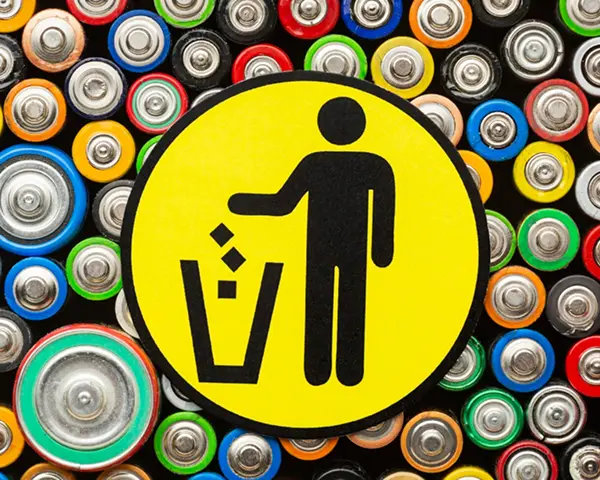
Battery waste requires proper handling. Users must avoid mixing batteries with household waste.
Recycling systems must improve for both battery types. Governments and manufacturers must strengthen collection systems.
Public awareness also plays a key role in environmental protection.
Final Conclusion
Lithium-ion batteries outperform lead-acid batteries in energy density, lifespan, and environmental potential.
Lead-acid batteries still lead in recycling maturity, but they face stronger environmental pressure.
Overall, the industry trend clearly favors lithium-ion technology. The transition from lead-acid to lithium systems will continue to accelerate in energy storage and industrial applications.
Talk to the Manufacturer
Resources & Insights
High Capacity Lithium Battery for Wearables: High-Voltage LiPo Cell Design
2026-10-19
Cylindrical Battery Packs for Laptops: 2S vs 3S vs 4S Battery Design
2026-10-19
Stage Lighting Battery Pack: Prevent Voltage Drop & LED Flicker
2026-10-19

Best Rechargeable Batteries for Smart Devices: Performance, Safety, and Selection Guide
2026-10-19


