


 Home /
 Custom 3.7V 225mAh 363027 Round Li-Polymer Battery for Smart Wearables


Table of Contents
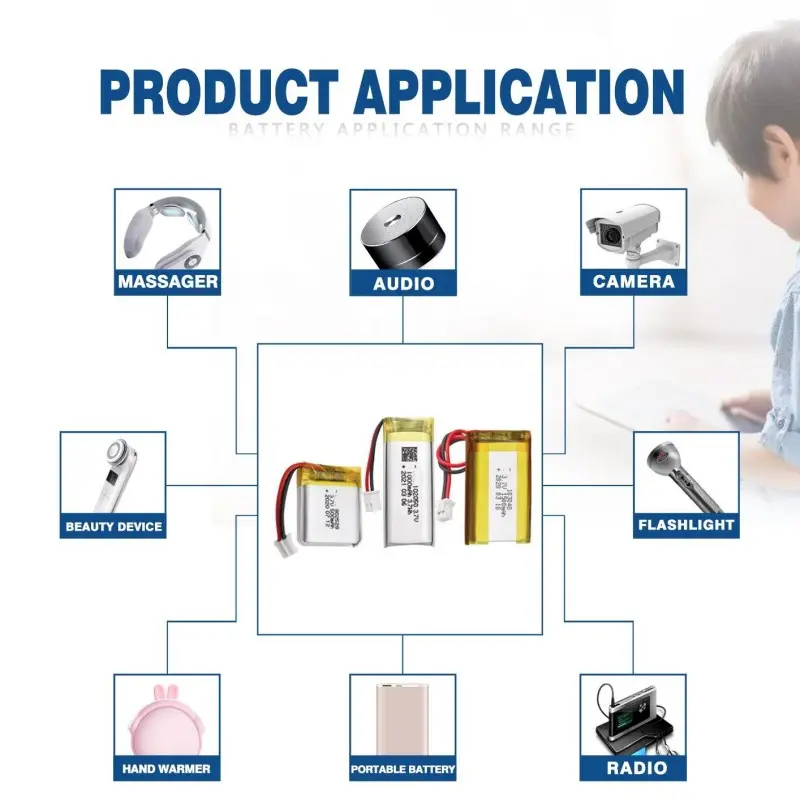
The 3.7V 225mAh 363027 Li-polymer battery is a compact rechargeable power solution designed for smart wearables, sensors, Bluetooth trackers, and mini IoT devices. As electronic products become smaller and lighter, manufacturers need batteries that can fit limited internal space while still offering stable output and reliable daily performance. This type of lithium polymer battery provides a practical balance between size, capacity, and customization flexibility, making it suitable for many compact smart device applications.
Compact Battery Design for Smart Wearables
Smart wearable devices usually have very limited internal space. Products such as smart rings, health monitoring sensors, compact Bluetooth trackers, and mini IoT terminals often require small batteries with customized shapes, tabs, wires, or connectors. The 363027 Li-polymer battery is designed to meet these needs with a compact structure and a stable 3.7V output.
The 225mAh capacity can support low-power electronic functions such as data collection, Bluetooth communication, sleep tracking, temperature sensing, motion detection, and basic health monitoring. For many wearable products, the goal is not only to increase capacity but also to maintain a comfortable size and lightweight user experience. A compact Li-polymer battery helps engineers use the available space more efficiently without making the device bulky.
Stable 3.7V Output for Low-Power Electronics
Many smart devices use low-power chips and wireless communication modules. A stable 3.7V rechargeable battery can provide consistent energy for these components during daily use. This is especially important for wearable devices that need steady performance over long periods.
For example, a smart wearable sensor may need to collect data continuously and send information through Bluetooth at regular intervals. A mini tracker may require stable standby performance and quick response when activated. The 3.7V 225mAh 363027 Li-polymer battery can support these functions when matched with the correct power management system.
Battery performance also depends on the product’s power consumption, operating mode, standby current, and charging design. During product development, engineers should test the battery with the full device system to confirm runtime, charging time, temperature performance, and safety requirements.
Rechargeable Li-Polymer Chemistry
Lithium polymer batteries are widely used in compact electronic devices because they can be made thin, lightweight, and rechargeable. Compared with some traditional battery types, Li-polymer cells offer better design flexibility for small devices. This makes them suitable for products where internal space is not a standard rectangular shape.
The 363027 battery can be customized according to different product designs. Manufacturers can adjust tabs, wires, connectors, PCM protection boards, and packaging structure based on the device layout. This flexibility helps support both prototype development and mass production.
Rechargeable performance is also important for user experience. A well-designed Li-polymer battery can support repeated charging cycles and stable discharge behavior. For wearable products, this means users can charge the device regularly without replacing disposable batteries.
Custom Options for Different Device Requirements
Every smart device has different power requirements. Some products need longer standby time, while others require stable pulse discharge for wireless transmission. Some devices have strict space limits, while others need special connector positions for easier assembly.
A custom 3.7V 225mAh 363027 Li-polymer battery can be configured to match these needs. Common customization options include:
Battery tabs and nickel plate direction
Wire length and connector type
PCM protection board design
Insulation and packaging method
Capacity and discharge performance matching
Labeling and OEM production requirements
These options help product developers integrate the battery more smoothly into the final device. For example, a smart ring may need a special tab direction, while a compact sensor may require a connector that fits a small PCB layout. A Bluetooth tracker may need strong insulation and stable standby performance.
Applications in Smart Devices
The 3.7V 225mAh 363027 Li-polymer battery is suitable for many compact electronics. It can be used in smart wearable devices, smart rings, health monitoring sensors, Bluetooth trackers, mini IoT devices, electronic tags, remote monitoring tools, and small portable electronics.
In health monitoring products, the battery can support sensors that collect heart rate, movement, skin temperature, or activity data. In Bluetooth tracking devices, it can provide power for wireless communication and standby operation. In IoT applications, it can help small devices collect and transmit data in compact spaces.
Because wearable and IoT products often require customized structures, choosing the right battery early in the design process is important. If the battery is selected too late, the product may need structural changes, which can increase development time and cost.
Key Factors When Selecting the Battery
Before choosing a 363027 Li-polymer battery, engineers should confirm several important details. First, they need to check the available space inside the device, including length, width, thickness, and tolerance. Second, they should calculate power consumption based on working current, standby current, communication frequency, and expected runtime.
Charging method is another key factor. Some smart devices use magnetic charging, pogo pins, USB charging, or wireless charging. The battery, PCM, and charging circuit must work together safely. Developers should also confirm discharge current, operating temperature, storage conditions, and certification requirements for the target market.
For mass production, consistency is very important. The battery supplier should provide stable cell quality, reliable protection design, and proper inspection processes. This helps reduce performance differences between batches and improves the final product’s reliability.
Why Work With a Custom Battery Manufacturer
A custom battery manufacturer can support the full development process from sample testing to bulk production. For smart wearable and IoT products, this is especially useful because many projects need non-standard battery structures. A supplier with experience in Li-polymer battery customization can help recommend suitable capacity, cell size, connector style, and protection solutions.
For new product development, sample testing can help confirm whether the 3.7V 225mAh 363027 Li-polymer battery meets real usage needs. After testing, the battery design can be adjusted for better assembly, safer operation, and more stable performance.
Conclusion
The 3.7V 225mAh 363027 Li-polymer battery is a reliable rechargeable power option for smart wearables, sensors, Bluetooth trackers, and mini IoT devices. Its compact size, stable 3.7V output, and customizable structure make it suitable for products with limited internal space. With the right battery design, smart device manufacturers can improve product integration, user comfort, and daily operating performance.
Talk to the Manufacturer
Resources & Insights
High Capacity Lithium Battery for Wearables: High-Voltage LiPo Cell Design
2026-10-19
Cylindrical Battery Packs for Laptops: 2S vs 3S vs 4S Battery Design
2026-10-19
Stage Lighting Battery Pack: Prevent Voltage Drop & LED Flicker
2026-10-19
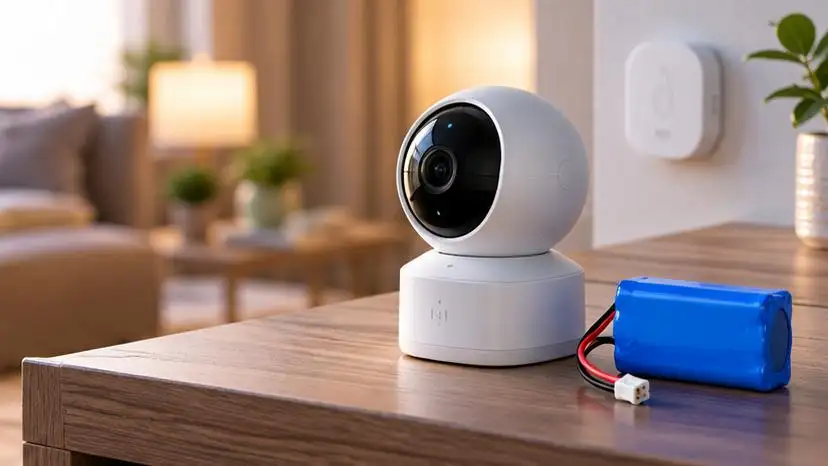
Best Rechargeable Batteries for Smart Devices: Performance, Safety, and Selection Guide
2026-10-19


