


 Home /
 Rechargeable Battery for Smart Meter: Reliable LiFePO4 Power Solutions


Table of Contents
Rechargeable Battery for Smart Meter: Powering the Future of Monitoring
The technology of smart metering is changing the way utility providers track the usage of electricity, gas, and water. Behind all the interconnected meters is a trusted source of energy that guarantees efficient running of communication modules, sensors, and data transmission systems. This is where Rechargeable Battery for Smart Meter applications come in.
With the ever-increasing utility networks, there is a rapid increase in the need for reliable, efficient, and long-life battery technology. It can be a residential electric meter, a commercial monitoring system, or a large-scale Advanced Metering Infrastructure (AMI), but the choice of the battery can significantly improve the performance and operational efficiency.
Why Smart Meters Need High-Performance Rechargeable Batteries
Contemporary smart meters are much more than just meters that record usage. They continuously collect data, relay information wirelessly, help in remote diagnostics, and are integrated with smart grid platforms.
These functions require a stable smart meter rechargeable battery capable of delivering a stable energy supply for a long period. The conventional disposable batteries are not always able to satisfy the needs of the new utility infrastructure. Conversely, a smart meter system rechargeable lithium battery provides better efficiency, reduced maintenance, and increased life cycle.
An effective smart utility meter battery provides:
• Constant power to wireless communication.
• Reduced maintenance requirements
• Improved system reliability
• Enhanced energy efficiency
• Less total ownership costs.
• Better environmental sustainability
Significance of Smart Metering Battery Solutions
With the deployment of millions of connected devices by utility providers across the globe, battery performance has emerged as a key determinant of system reliability. A smart metering battery solution should be able to support:
• Real-time data transmission
• Remote meter reading
• Utility monitoring systems
• Smart grid integration
• IoT connectivity platforms
• Automated billing systems
A reliable rechargeable energy storage in the application of smart meters assists the utilities in having continuous communication and minimizing interruptions of services.
LiFePO4 Technology is the Pioneer of Smart Meter Innovation
LiFePO4 battery is one of the most trusted battery chemistries amongst the existing battery chemistries that can be applied in smart meter applications.
- Lithium Iron Phosphate technology has very high thermal stability, high safety features, and high cycle life. LiFePO4 cells are also characterized by stable performance even in harsh environmental conditions as compared to the traditional lithium-ion equivalents.
- According to the information given on the battery portfolio of Gloflux, the company specializes in high-technology lithium battery technologies, which are concerned with stable voltage, long cycle life, low self-discharge, and enhanced safety protection systems. They have the production capacity of bespoke battery packs and smart battery management systems for industrial and connected devices.
Technical Advantages of Rechargeable Smart Meter Batteries
A reliable and technologically efficient battery is the most efficient battery in wireless smart meter systems. Important specifications include:
High Energy Density
A contemporary lithium-ion rechargeable cell provides a lot of energy in a small size. The high battery energy density enables a decrease in battery size with long operating times.
Long Cycle Life
An effective rechargeable battery will be one with a high cycle, that is, it can be charged and discharged thousands of times, has a long battery life, and has a low replacement rate.
Low Self-Discharge
A low self-discharge battery has higher stored energy when in the standby mode, and this is the most appropriate when it comes to utility infrastructure, where the usage patterns may change.
Stable Voltage Performance
A constant voltage output battery provides a stable voltage output and correct sensor functioning during the discharge cycle.
Wide Temperature Operation
Smart meters are often located outdoors. Thus, the battery performance over a wide battery operating temperature range is necessary.
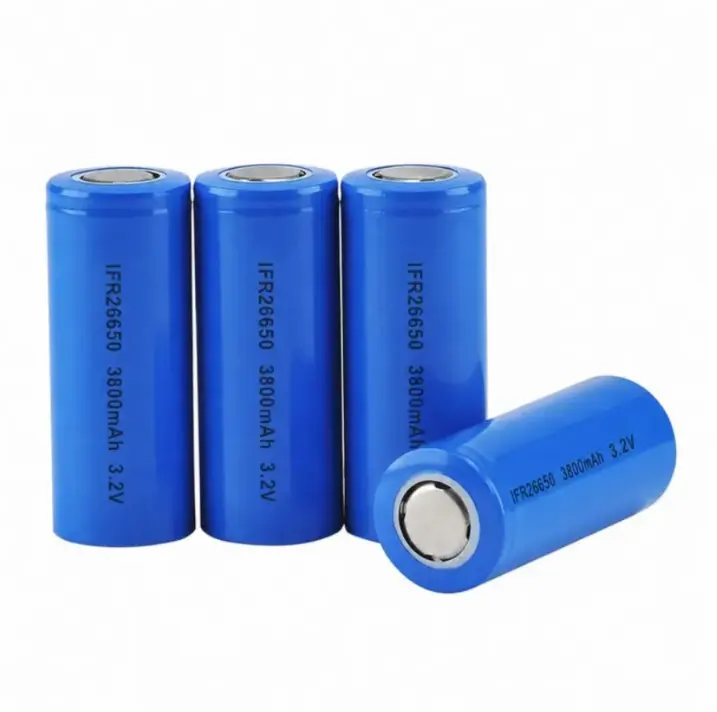
The Way 3.2V and 3.7 V Battery Technologies Facilitate Smart Meters
- The choice of batteries is based on the needs of the devices. LiFePO4 3.2V battery is also very popular in utility monitoring systems due to its improved safety profile and extended service life.
- In the meantime, a 3.7 V rechargeable battery has a higher energy density and is typically applied in small electronic devices that need lightweight power supplies.
- The two technologies are flexible to a custom rechargeable battery pack design depending on communication modules, sensor requirements, and expected operating conditions.
Preferring IoT and Wireless Connections
The contemporary smart meters are smart devices that are part of broader IoT systems.
An IoT smart meter battery should be able to support:
• LPWAN connectivity
• NB-IoT communication
• Wireless sensor integration
• Remote monitoring systems
Consequently, battery designers are putting more emphasis on the development of efficient IoT battery solution architectures.
Popular applications include:
• NB-IoT meter battery systems
• wireless sensor battery.
• connected device battery technologies.
• distant data gathering battery systems.
• deployments of telemetry batteries.
The technologies are premised on low-power IoT battery performance to guarantee the longest operation life.
Smart Meter Applications in Utility Industries
Many metering environments are supported by rechargeable batteries.
Electricity Metering
Communication modules are operated by an electricity meter battery, which allows real-time reporting of consumption and monitoring of the grid.
Water Monitoring
A battery pack for a water meter helps in ensuring continuous data collection as well as in long-term deployment.
Commercial Infrastructure
A commercial smart meter battery is used to serve large facilities that need sophisticated energy management and use analytics.
Industrial Systems
Mission-critical monitoring equipment is supplied with reliable power by an industrial metering battery.
LiFePO4 26650 Cells: Excellent Option
In most smart meter designs, LiFePO4 cells in 26650-format provide a good compromise between capacity, safety, and life. The Gloflux LiFePO4 battery family targets constant voltage supply, increased safety, and longevity of operation in high-demand applications. Their battery solutions will be used in industrial equipment, connected devices, and smart monitoring technologies.
Benefits include:
• Big rechargeable battery performance.
• Excellent thermal stability
• Smart meter has a long battery life.
• Long-duration energy storage
• Maintenance-free battery characteristics
• Efficient power management
• Fast-charging battery technology compatibility
These capabilities directly affect increased network reliability and lower maintenance costs in the case of smart utility deployments.
Conclusion
The future of utility infrastructure lies in smart, networked, and energy-efficient devices. An effective rechargeable battery is no longer just a component, but the foundation, which allows smart meters to communicate, collect data, and support the modern energy networks.
Using the latest lithium technologies like LiFePO4, utilities can gain higher reliability, reduced maintenance expenses, and enhanced long-term performance. When your project requires reliable power, high safety, rechargeable battery for smart meter, and high cycle life, Gloflux can assist you in creating smarter energy solutions for the next generation of connected utility systems.
Talk to the Manufacturer
Resources & Insights
High Capacity Lithium Battery for Wearables: High-Voltage LiPo Cell Design
2026-10-19
Cylindrical Battery Packs for Laptops: 2S vs 3S vs 4S Battery Design
2026-10-19

Stage Lighting Battery Pack: Prevent Voltage Drop & LED Flicker
2026-10-19
Best Rechargeable Batteries for Smart Devices: Performance, Safety, and Selection Guide
2026-10-19


