

 Home /
 18650 Interchangeable Battery
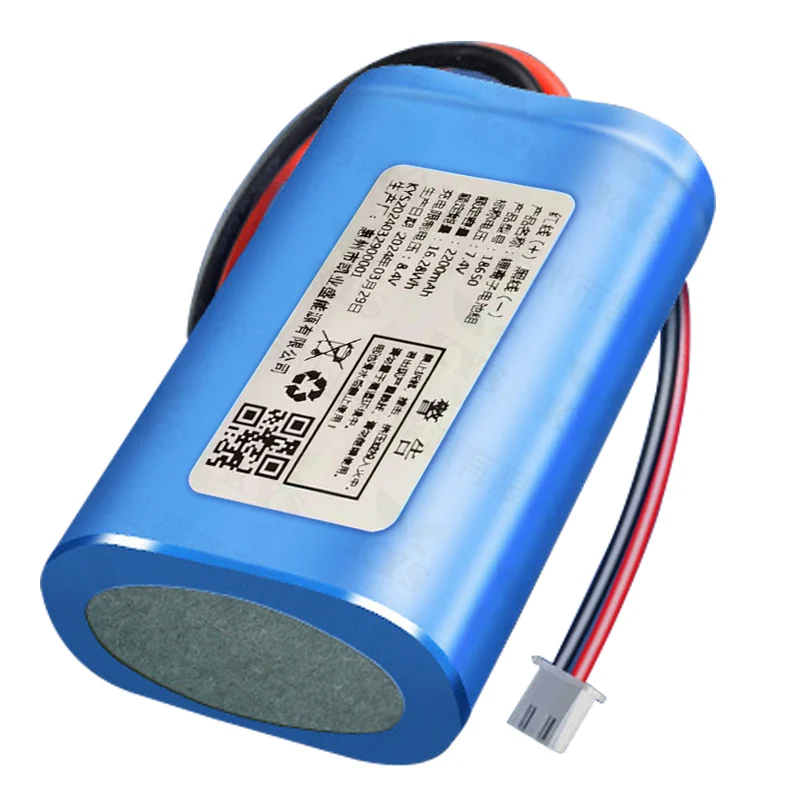
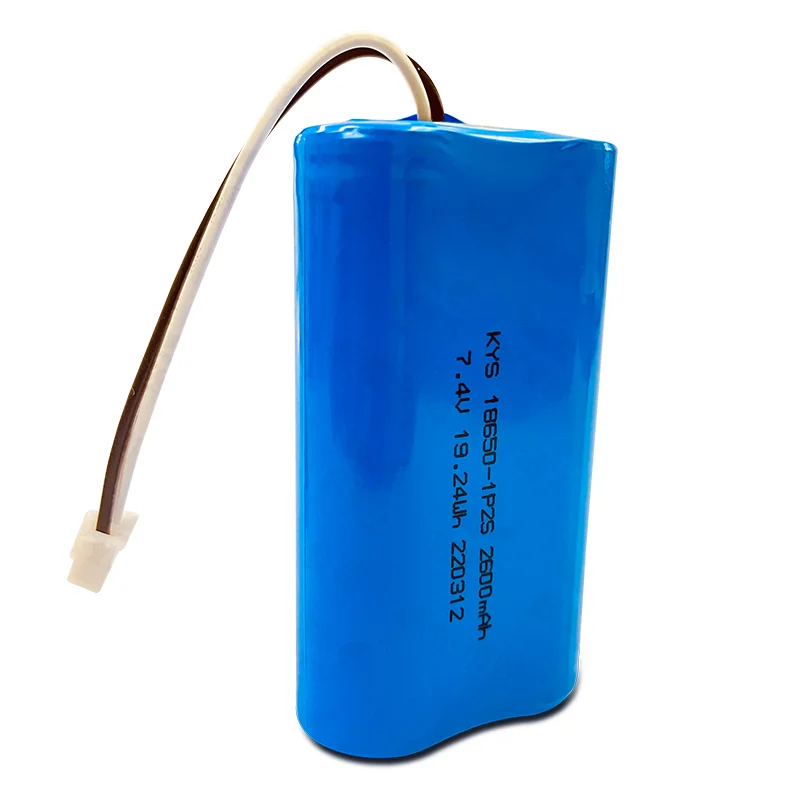
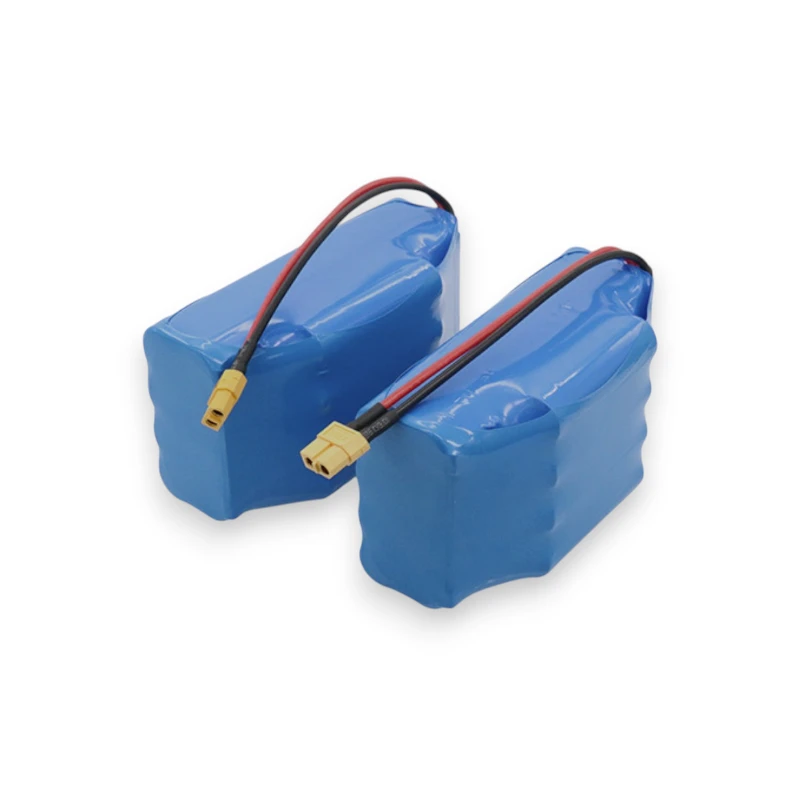
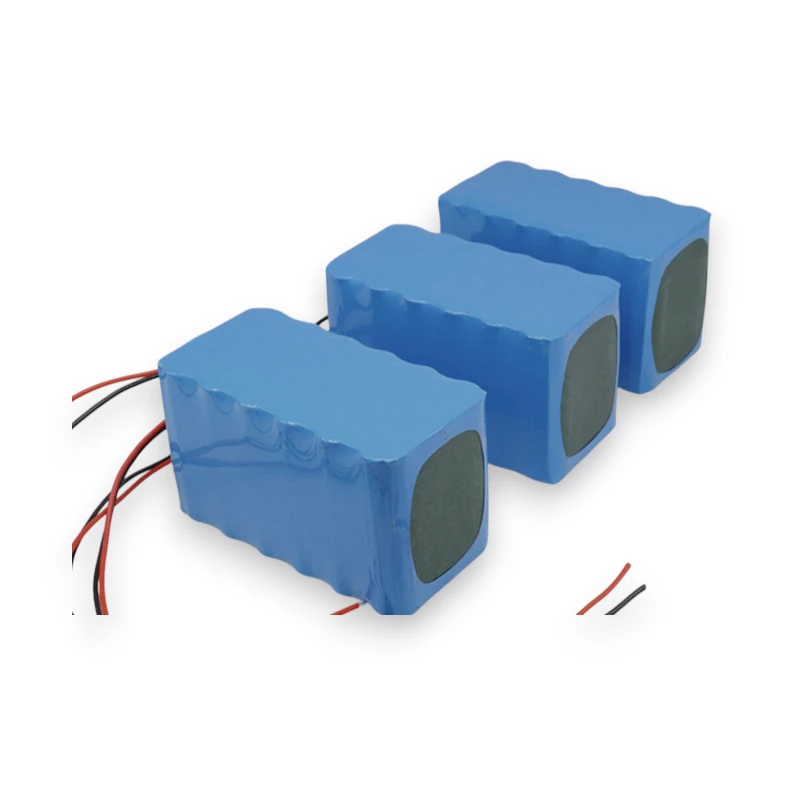
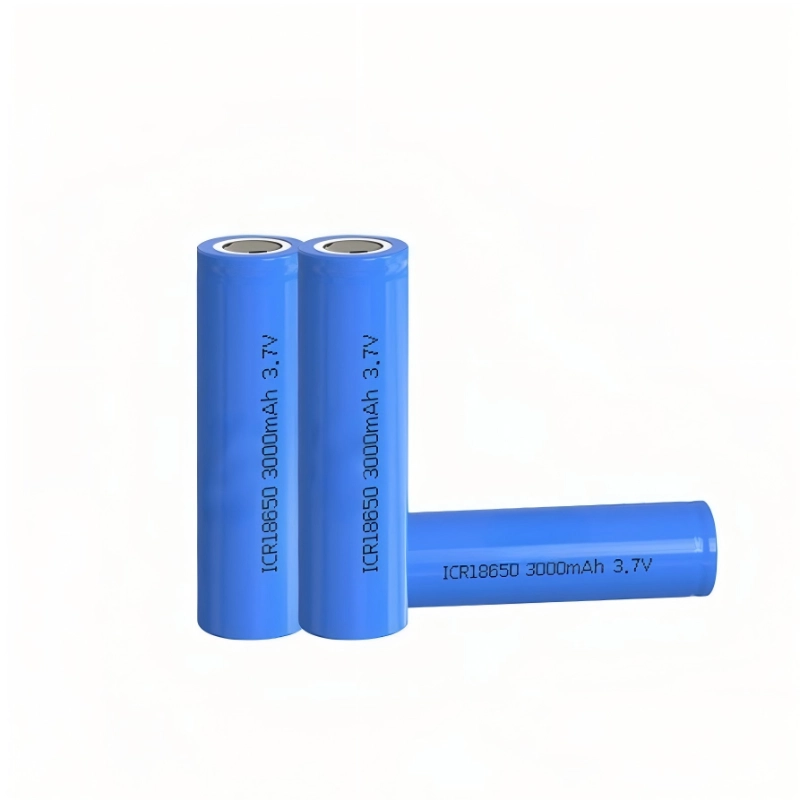
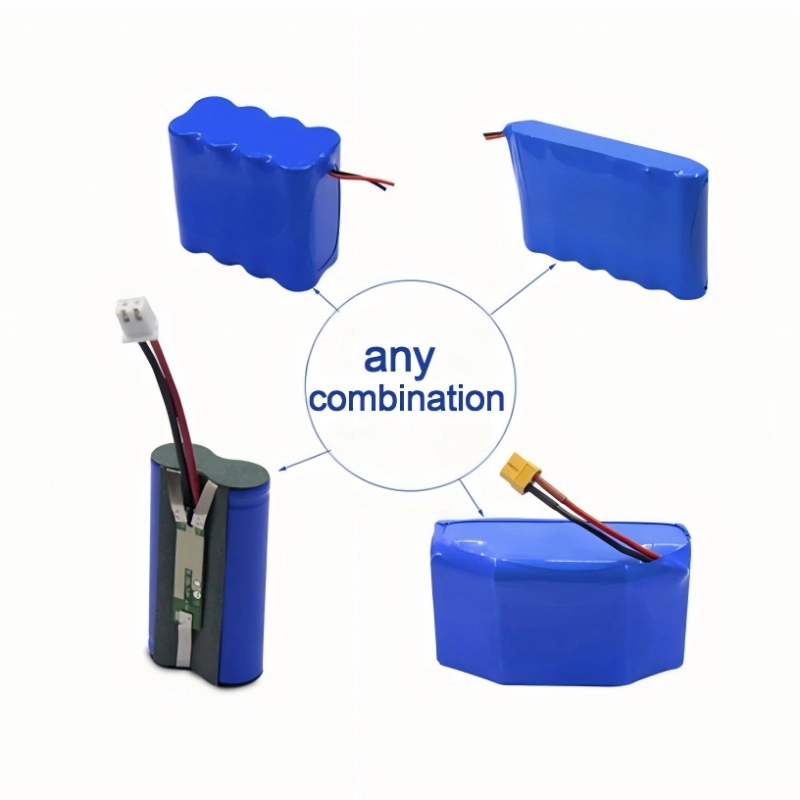
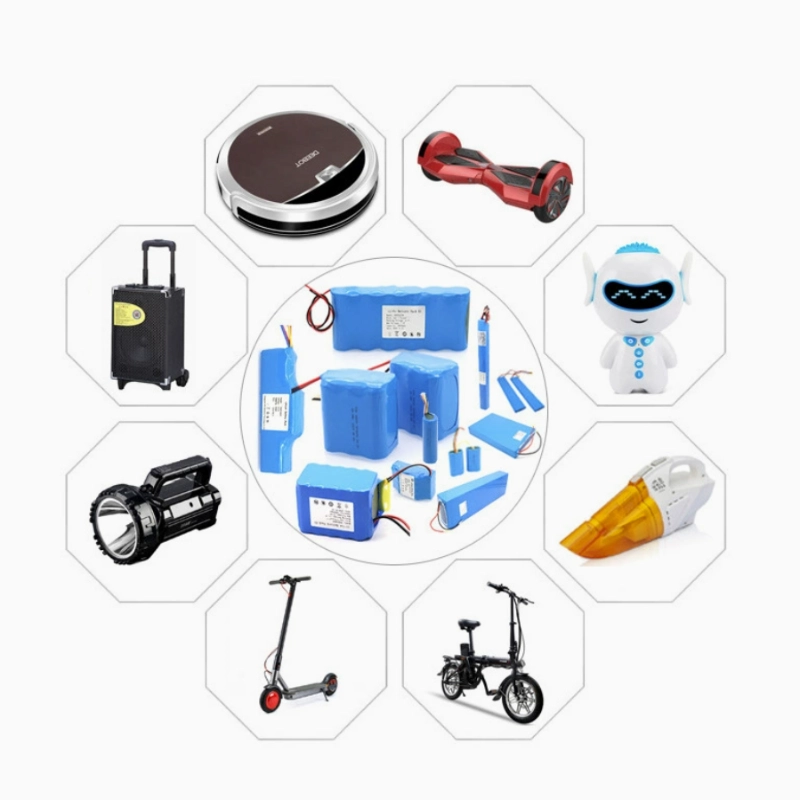
Our customized 18650 lithium‑ion battery packs feature stable performance, long cycle life and high safety. Widely used in electric scooters, vacuum cleaners, speakers, smart toys and more. We support custom capacity, voltage and size for diverse device power supply needs.
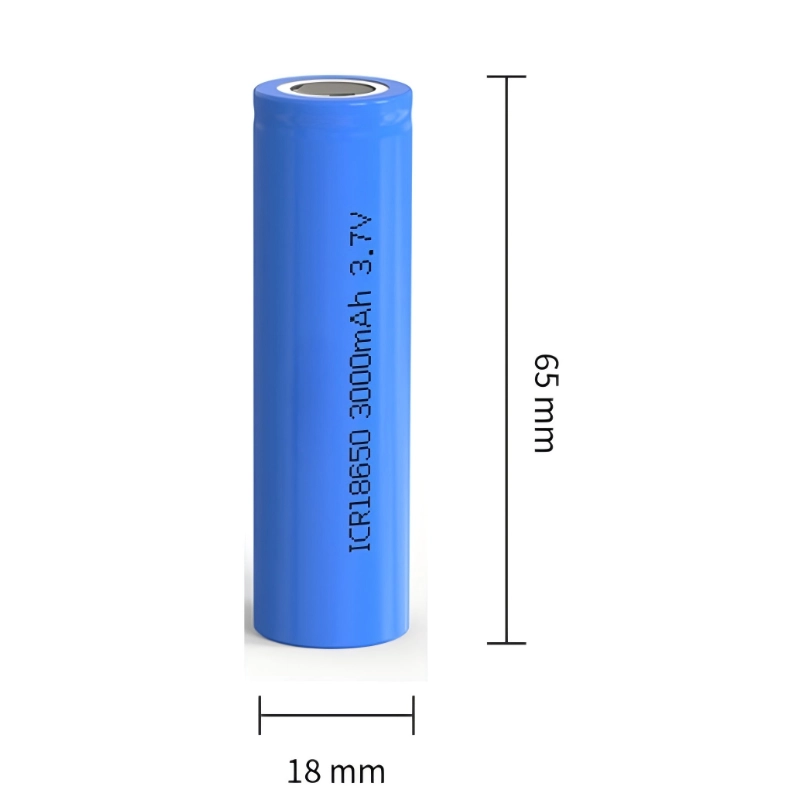
- Model: KYS 18650
- Battery Capacity: 3000 Ah
- Nominal Voltage: 3.7 V
 Get Free Quote
Back to Product List
Overview
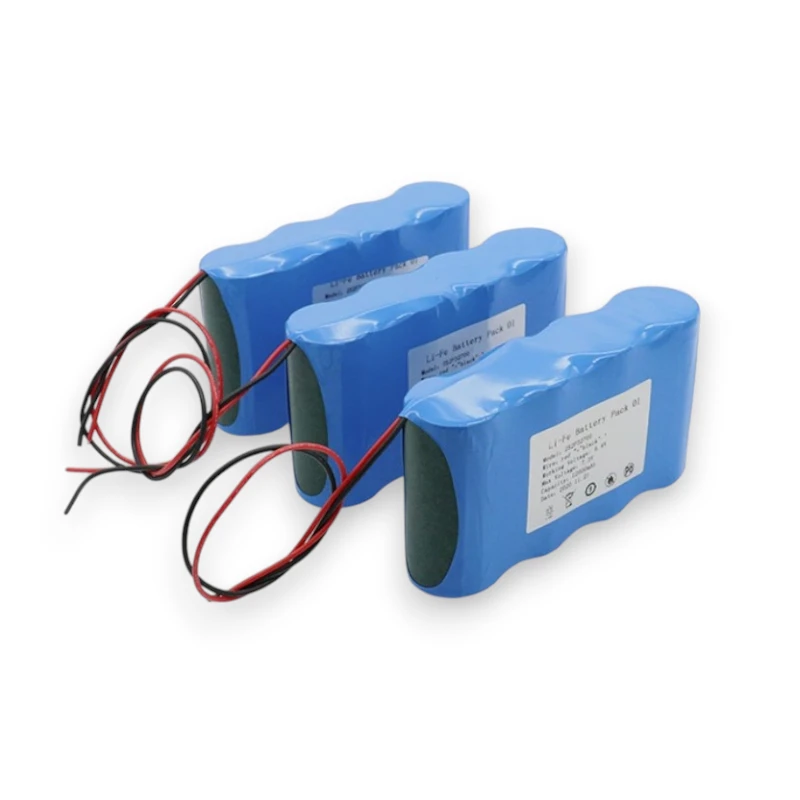
The Gloflux Lithium-Ion Battery Pack is a compact and efficient power solution designed for modern electronic devices that require flexible energy management. Built around an interchangeable battery concept, it allows users to replace battery units quickly and easily, improving convenience and reducing device downtime.
Interchangeable Battery Design
The system features an interchangeable battery structure that supports fast swapping without complex disassembly. This makes it ideal for applications where continuous operation is important. Users can replace battery modules within seconds, ensuring stable device performance and minimizing interruption during use.
Stable Lithium-Ion Performance
The battery pack uses high-quality lithium-ion cells to deliver stable voltage output and reliable energy density. It is designed to maintain consistent performance under various load conditions while supporting long cycle life. This ensures dependable power for both consumer and industrial devices.
Safety and Battery Management System
An integrated Battery Management System (BMS) provides essential protection functions including overcharge, over-discharge, overcurrent, and short-circuit protection. It also monitors temperature and voltage in real time to ensure safe operation and extend battery lifespan.
Flexible Applications
The modular design allows easy integration into different devices with customizable voltage and capacity options. It is suitable for portable electronics, medical devices, smart equipment, and industrial tools. The interchangeable battery structure adds extra flexibility for products requiring frequent battery replacement.
Product Details
Application Scenarios
- Smart Home Appliances: Robot vacuum cleaner, car vacuum cleaner
- Electric Mobility Devices: Self‑balancing scooter, electric scooter, electric bicycle
- Audio & Lighting Equipment: Outdoor trolley speaker, high‑power searchlight
- Smart Electronic Toys: Intelligent early‑education robot